

For many dads trying to lose weight, put on some muscle or just want to get healthier, understanding the power of movement and will give you an edge.. This article will focus on the physical health benefits of movement, and I’ll back this up fairly quickly with the benefits on mental health.
The Physical Effects of Movement and Exercise
So what’s the fuss about exercise? What physical benefits do you get?:
- Cardiovascular Effects
Your cardiovascular system, comprising the heart, lungs, and blood, plays a pivotal role in energy production. As you move, your body’s efficiency in utilizing oxygen and releasing CO2 improves. This translates to an improved cardiovascular system—your heart and lungs become more powerful and efficient, ultimately reducing the workload on your body at rest.
There are various ways to train your cardiovascular system, including:
- Steady State: Activities like walking, light jogging, cycling, and swimming raise your heart rate. Due to the longer duration of this type of training, your heart adapts and becomes more efficient. Your lungs ability to exchange oxygen and CO2 also improves.
- Lactate Threshold Training: This approach flirts with two energy systems, improving your ability to utilize available oxygen effectively. It also encourages the growth of new capillaries, enhancing the overall efficiency of your cardiovascular system. This type of training is physically tough – think 400m run.
- High-Intensity Interval Training (HIIT): HIIT pushes your heart rate to its limits during intense intervals, creating an oxygen debt that the body works to replenish throughout the day. This type of training boosts the capabilities of your heart and lungs, both at rest and during activity.
2. Skeletal Muscle Effects:
We can break skeletal muscle training into three sections (I think!). Muscle training may be a bit simplistic, but it’s really all the connective tissue that we are training here.
Effective skeletal muscle training includes:
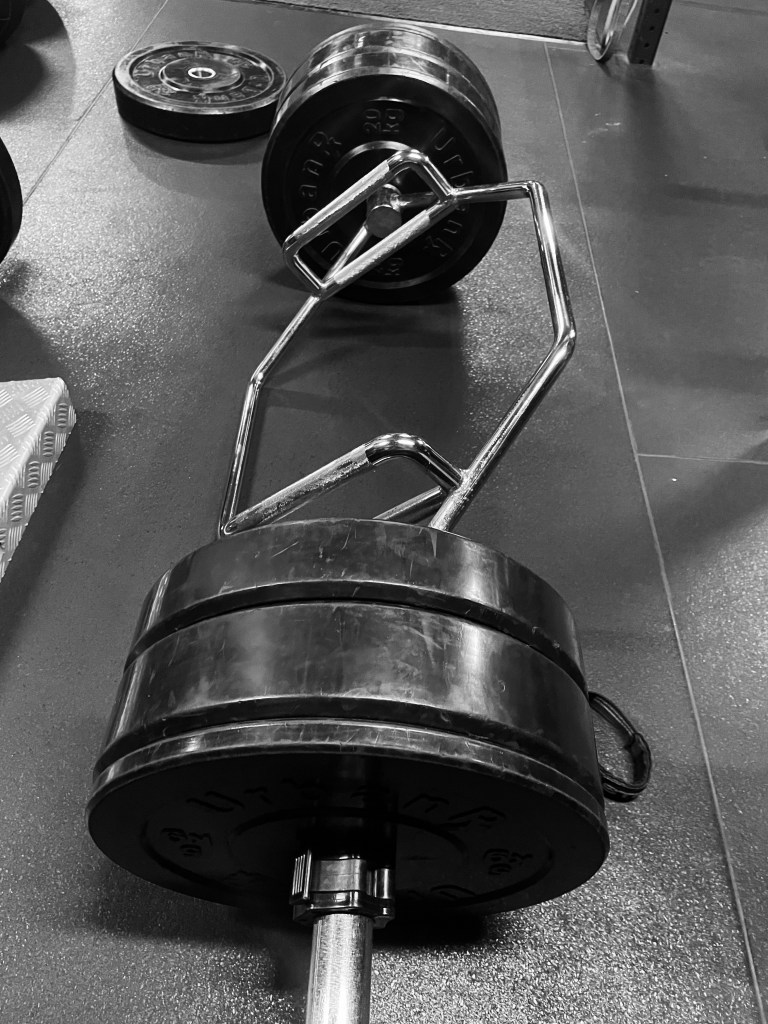
- Strength/Resistance Training: Lifting weights or moving resistance causes muscle fatigue, promoting muscle growth, hormonal stimulation, cellular changes, and increased bone density. These benefits contribute to overall strength and muscle gain.
- Mobility/Flexibility: Incorporating mobility exercise, think yoga flows, improves your joint’s range of motion, decreases muscle tension, enhances blood flow, and increases synovial fluid, which can assist in injury prevention.
- Sport-Specific/Functional Training: Training specific to activities you enjoy, such as soccer or any sport, enhances your brain-body connection. This type of training ingrains movements and patterns that support your chosen activity. Or just do sport which has the same effects.
3. Central Nervous System (CNS) Effects:
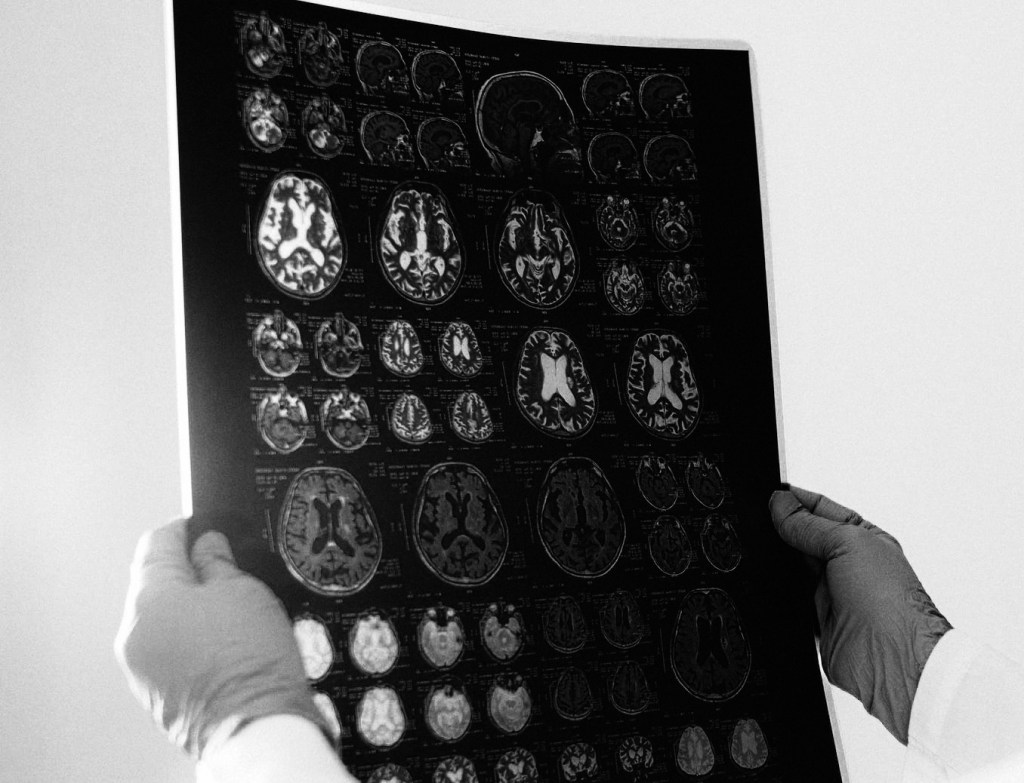
The brain and nervous system play a significant role in how you move and respond. Exercise can influence your CNS to respond to the different requirements
.
Notable CNS training effects include:
- Improved Coordination and Skill Acquisition: Sport-specific training ingrains movement patterns, enhancing coordination, skill acquisition, and overall performance.
• Enhanced Strength and Power: Training power, balance, and jumps strengthens the neurological connection from your brain to your skeletal tissue, resulting in better strength, power, and injury prevention.
Incorporating Movement into Your Routine
For anyone starting their wellness journey, consider these steps:
- Start small by adding a short walk a few times a week
- Incorporate body weight exercises. This will help establish the body-brain connection for your journey into strength training
- Integrate some mobility drills into your week – particularly if your job is desk bound – your body will thank you for it!
Overtime, this blog will discuss jhow you incorporate this into a program – as it can get overwhelming.
 Normal Dad’s Guide to Wellness