
I’ve been at odds with myself writing this article. Obviously, i know quite how important as the most people and weight loss and body image and it does play a factor in most dads leaves as well but it shouldn’t always be a focus for general wellbeing as we can sacrifice some good stuff when we do! That said, it is important so let’s crack into it. Disclaimer, it’s something I’ve always battled with – body image, weight loss and feeling comfortable in my own body so there are a few of my learnings in this.
Weight loss in my eyes can be general weight loss and then cutting – I think there is a distinct difference as I believe cutting (what I am defining as the ability to see a six pack) takes an extra level of diligence than general weight loss.
Energy Balance
Let’s start here – calories matter – you need to burn more than you take in. I don’t think that is new for most people to be honest. But let me give you some thoughts around this.
When you eat healthy, you will actually find it soooo hard to eat a huge amount. Veggies just don’t have that many calories in them!
Also, once you begin to measure your required calories, you will also see that the reduction isn’t too mental.
In order to identify how many calories you need to burn and eat, use this calculator here. Don’t go aggressive here – as it becomes highly unachievable.
Food
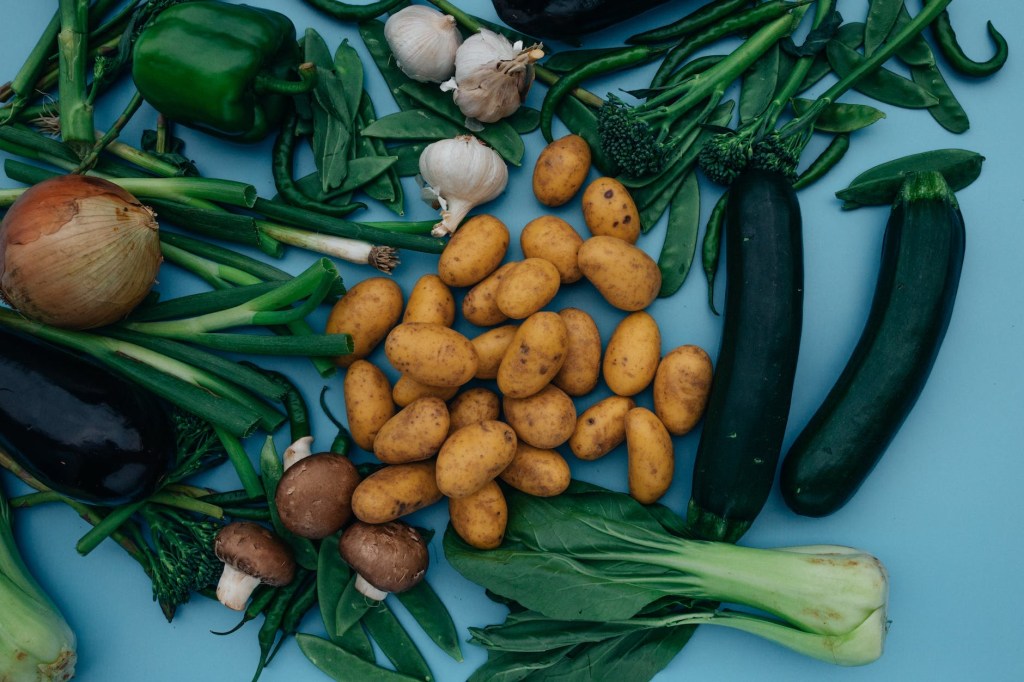
Right, we know we need to drop the calories from what you consume now. This is hard. However, when you begin to eat the right stuff – it actually becomes easy and you will be full!
The science suggests that macronutrients (carbs, fat and protein) don’t have to be spot on. You don’t need to be low-carb. However, one thing the science agrees on is getting your protein as high as possible. From there, you can mix and match the carbohydrates.
The next thing to think about with food, is eat as non- processed as possible. Think meat, fruit, veggies, dairy, herbs, spices, nuts, oils (not vegetable oil). These foods are stacked in nutrients, and when you eat a vast array of plant foods, your calorie count remains low. Also eating good grains helps as well – however, be mindful that a lot of breads, pastas etc. are fairly processed. (I’ll dive deeper into this in another blog)
A basic tip, only shop on the outside of the store – and maybe the oil and spice aisle. This is where the majority of unprocessed food is.

Exercise
Everyone knows that exercise is a key influencer on weight loss.
The breakdown of fatty acids into ATP (energy), plus a few chemical reactions, release CO2. Essentially, we breathe out our fat!
The more exercise we do, the more ATP we require, therefore the more fatty acids we burn – and as long as we are in an energy deficit, that will help us lose weight.
That said, exercise can have differing effects on how we lost weight. Aerobic training has the ability to use both fatty acids and stored glycogen as a fuel source, and when performed long enough burn plenty of calories.
Lactate training (think hard and only sustainable for 4-5 minutes), you may be tapping in and out of your fat burning zone – but does utilise a lot of calories. Lactate training can improve muscle mass and can increase your metabolism – meaning your body needs a higher baseline of calories to live on.
HIIT training does not use any fat for fuel. Fat can only be broken down in the presence of oxygen. That said, when your resting, you will fall into a high oxygen rate and a need for replenishing muscle glycogen. HIIT can also burn a significant amount of calories in a short time and has a sizeable effect on the oxygen replenishment post exercise – this is called EPOC!
Aerobic training – this type of training is the more traditional cardio – steady state running, cycling, swimming and walking. This can use a lot of fat as an energy source, but would need to be performed slightly longer for the calorie use benefits.
Training near the lactate threshold – this is usually similar to a ‘tough run’. A run where you are basically in the edge of your capabilities. This breaks into both aerobic and anaerobic zones – and has a similar benefit to lactate training – but due to length can often burn a lot of calories – but it is very uncomfortable.
Strength training
This needed it’s own section in this article as it has multiple effects which can contribute to weight loss.
Increased Muscle Mass
Even small increases in muscle mass will have an impact on your metabolism. When you have a higher muscle mass, your body has to use more calories in order to sustain muscle. Putting on some muscle can help you increase your calories so you don’t have to drop your calorie intake significantly.
Post Workout Elevated Metabolism
After we work out, our body has to adapt (repair and build) our muscles when we do strength training. Similar to EPOC discussed earlier, our body burns calories post session.
Insulin Sensitivity
When we strength train, we use glycogen in the cells to create energy. By doing so, we limit the requirement on insulin to remove unused glycogen. This in turn improves our insulin sensitivity – this allows us use fat as an energy source and also reduces appetite – both helping with weight loss.
Body Composition Changes
Weight loss is often not about losing weight but looking better. When done well, strength training can help change your appearance by putting on lean mass in areas seen as desirable – think chest, shoulders and arms! This, combined with some fat loss may give you the appearance you are after and not just lose weight!
The Extra Stuff!
Alcohol
I reckon this is a blog within itself. However, a quick overview: alcohol can blunt weight loss for a few reasons! It can increase your calories very easily, which also blunts your metabolism by the body prioritising the alcohol rather than the other energy available in the body. Other issues like liver function and sleep can have a negative impact on weight loss as well.
Blood sugar
When we chronically eat high sugar foods (and not just the obvious stuff!), our blood sugar can be chronically high. Insulin, the hormone which helps utilise sugar and move it into cells, remains high also.
When our insulin levels are high, we store our glycogen in the liver and muscles – however, once these storage areas are full, we then store the glycogen as fat.
Also, over time, our bodies start to become resistant to insulin – which further promotes fat storage.
Managing carbohydrate intake is key – however be aware that we still need carbohydrates to function!
Key takeaway
- Calorie deficit is a major factor in weight loss – load up on veggies and protein and you will find it very difficult to overeat. But don’t overdo it – you still need calories to function
- Train your cardiovascular system – depending n your starting point will depend how often you train
- Do strength training – this should be a mainstay I your training – however you might cycle between training for mass increase or retaining muscle
- Avoid the booze!
- Ensure you sleep
- Keep your blood sugar intact
In the next blog I will go through some of the common pitfalls with weight loss!
 Normal Dad’s Guide to Wellness