
The minute you start looking at nutrition online you’ll realise how many schools of thought there are. Low carb/high fat, keto, paleo, Mediterranean, Atkins. The lists are massive.
I don’t proclaim to be a nutrition expert, but I will outline below some key things to focus on when you are thinking about food and nutrition.
Before we start, it needs to be abundantly clear that food is more than just energy. It’s more than calories in and calories out. Your food contains so many micronutrients and vitamins that you need to thrive!
Plants
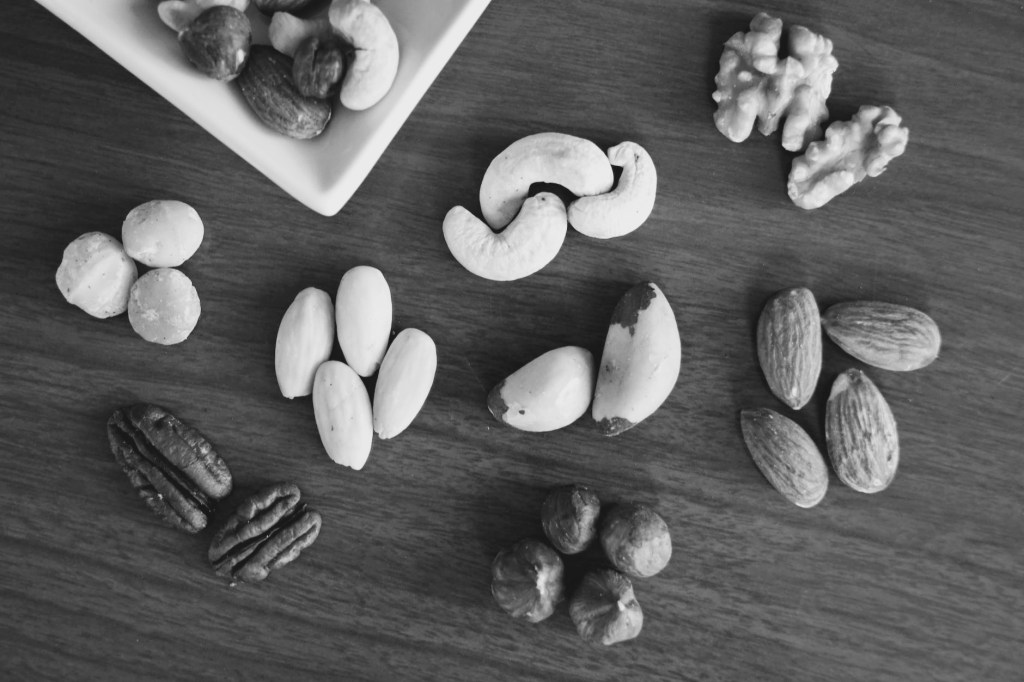
Plant based food can be seen as legumes, veggies, fruit, nuts, seeds and also spices. Each of these foods has an abundance (traditionally!) of vitamins and micronutrients. In order for us to thrive we really need a strong balance of all of these nutrients in our system.
Vegetables are the number one thing we need to eat more of. Studies show that only 2/5 Australians are eating enough veggies – and considering how many different types of veggies grow here that is a staggering statistic.
A good tip on eating veggies is try to have three different coloured veggies with every meal (or at least lunch and dinner).
The other benefit with veggies is that it is near impossible to eat a large amount of calories with them (except white potatoes) which is good for satiety and good if you’re trying to lose weight.
Gut
Gut health is now being identified as important more than ever. We have multiple types of bacteria in our gut, which as research is finding, play a huge role in our health. Particularly, the diversity of the bacteria or microbiome is incredibly important.
Microbiome gives us the ability to extract as many nutrients as possible out of food, and also supports digestion and also our immune system.
To ensure you look after your gut, non-processed food is critical. Also, a diversity in plant based food (as above) is required. Dr Tim Spector (a leading researcher in this space) recommends 30 different plant based foods per week this sounds hard, but it can be achieved when you include, herbs, spices, veggies, coffee (yes, coffee!), fruits, seeds, nuts and legumes!
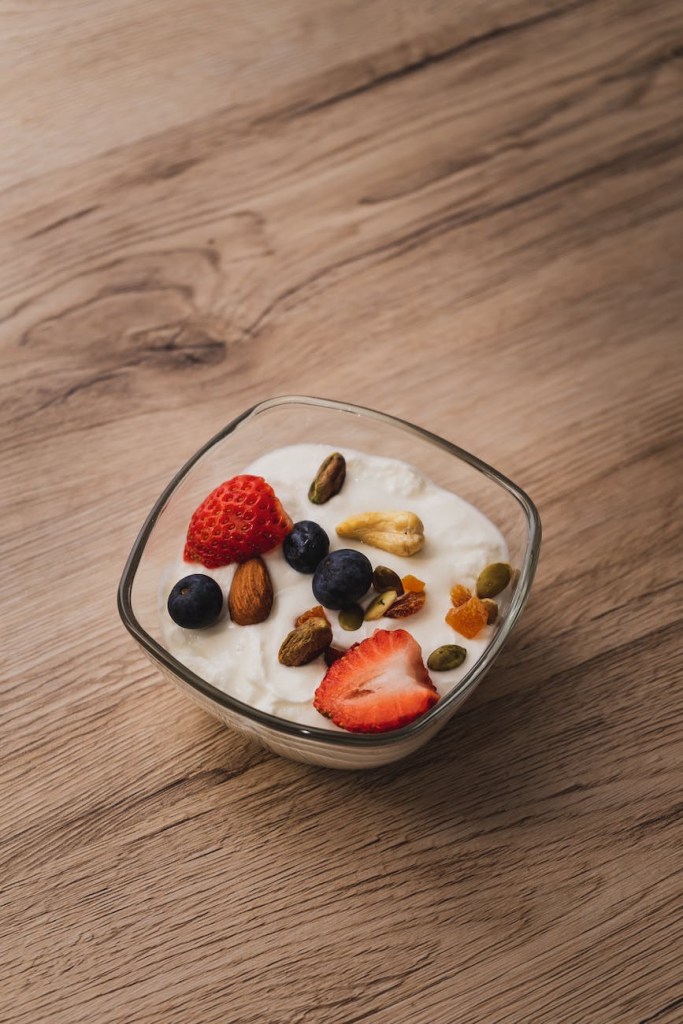
Another addition you can make here is fermented food. Examples are sauerkraut, kimchi, yogurt, kefir and kombucha!
Protein
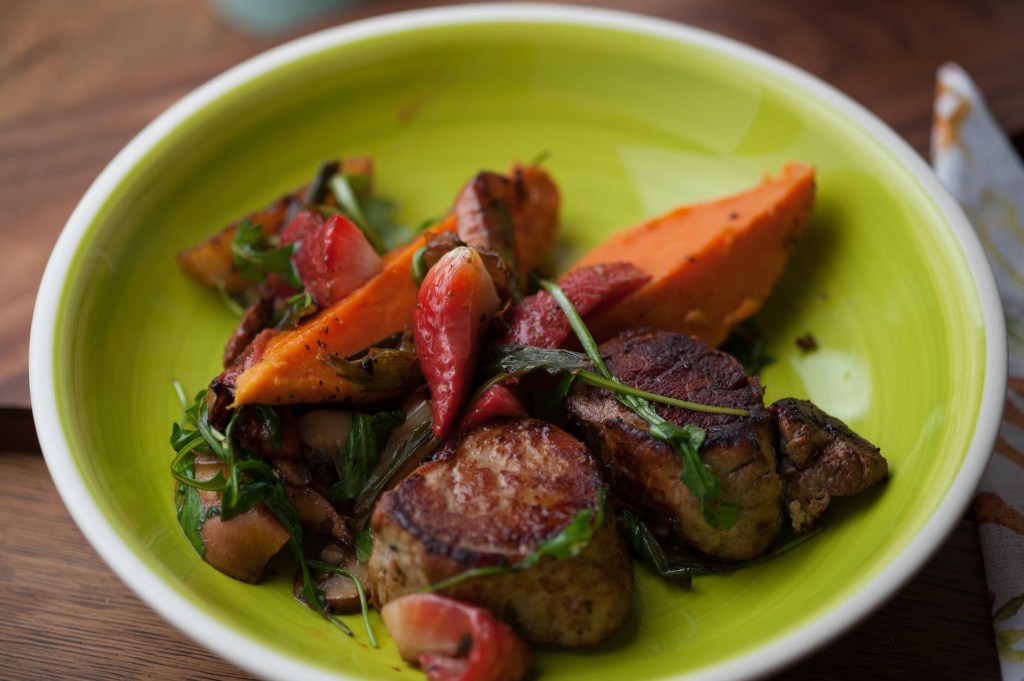
Protein is the building blocks for life and one of the three macronutrients that we need to live. Protein isn’t just building muscle (which is important!) but also rejuvenating skin, nails hair and bone!
We should be aiming to get plenty of protein in our diets, but our western diets have stripped some of this away – think cereal for breakfast and a sandwich for lunch.
Science recommends between 1.6g-2g of protein for every kg of your weight. This can be tough to get, so don’t be afraid to top up with a protein shake!
Energy
So back to calories! We need energy to do the things we need to do. Undereating is fairly common in people who are trained individuals. When you are exercising, and in particular, training for an event, you will need energy to not only perform, but conduct normal bodily functions.
Blood sugar
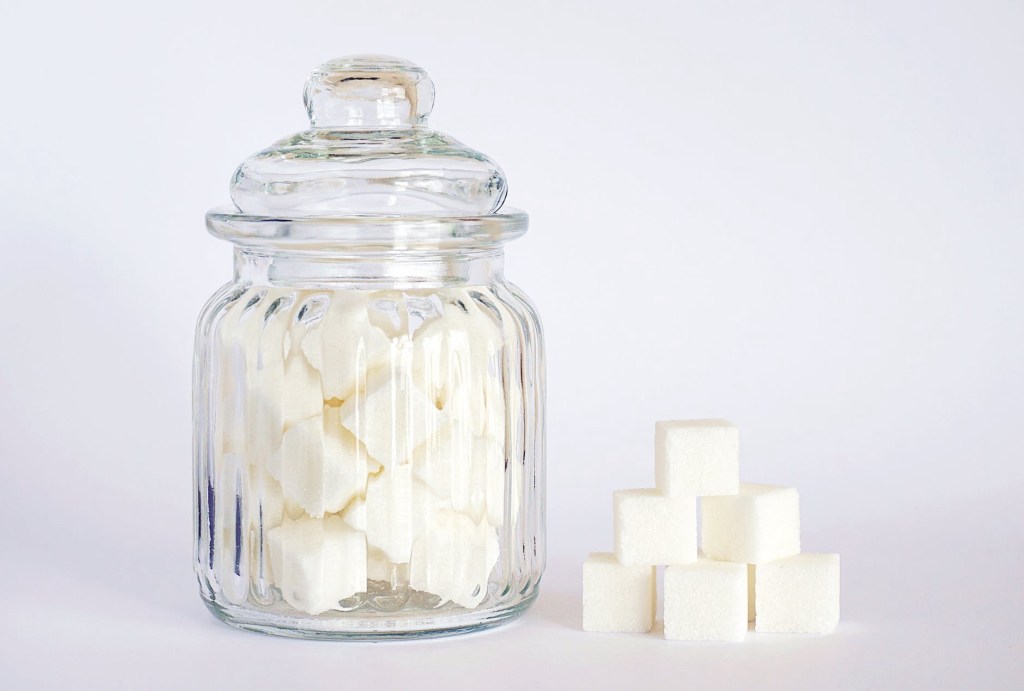
When we eat high glycemic food, our body breaks the food into glycogen, feeding it into the blood stream. The purpose, to replace the used glycogen in cells. However, unless you have done exercise, the chances are the cells already have glycogen already there. That’s when insulin is released to remove the glycogen and then store this energy as fat.
When this cycle happens often, our body responds in a few ways:
- Over time we can become insulin resistant (long term leads to Type II diabetes)
- We get regular mood swings
- Weight gain
- Neorological impairment and damage
- High levels of inflammation- linked with disease and cardiovascular disease
When eating, trying and ensure control over blood sugar.
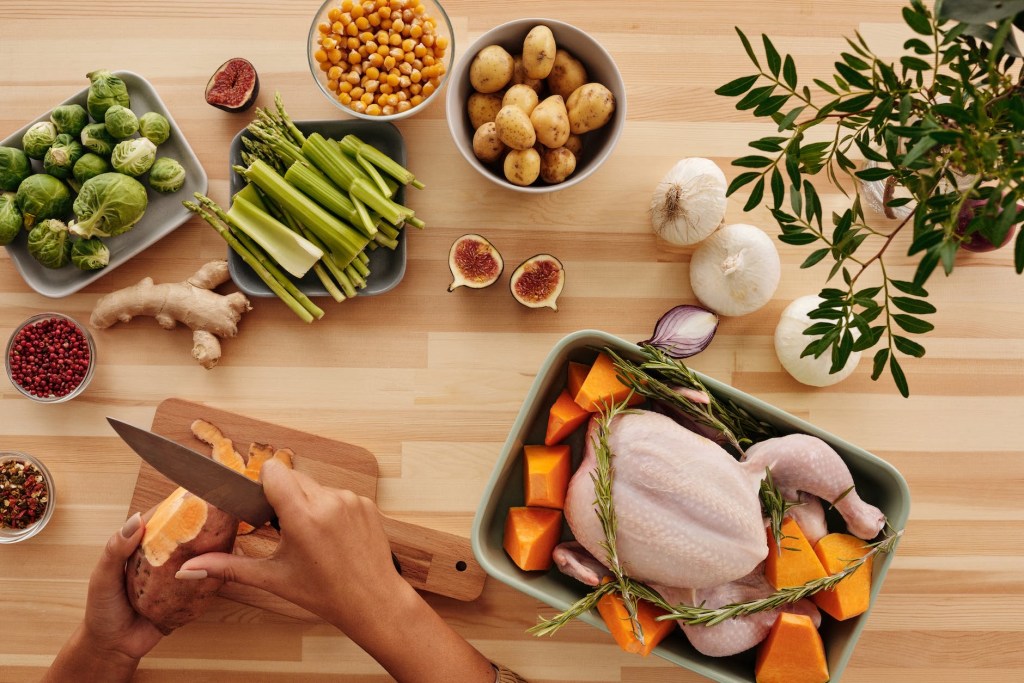
Non- Processed Food
I’ll finish with non-processed food. I think the above comes together if you just focus on this.
Food can be split into four categories and is called the NOVA classification.
- Unprocessed or minimally processed food
- Plants, meat, milk
- These foods only go through ‘cleaning’ e.g. pasteurisation
- Processed culinary ingredients
- Oils from seeds/nuts/olives, vinegars, ground spices
- Minimal processing such as milling or grinding
- Processed food
- Canned goods, freshly made bread
- Foods that have added ingredients to them to become a food source
- Ultra-processed food
- Mass produced foods – crisps, frozen meals, supermarket bread, cakes etc. you know the list!
- Foods that need emulsifiers, stabilisers and several steps to make it edible
Processed food is often calorie dense, nutritionally lacking and can spike blood sugar.
It is best to try and stick to the first two categories for the vast majority of your eating.
Takeaways (pun intended)
- Eat minimally processed food and you’ll get this close to right
- If you aim for an 80/20 split, you’ll enjoy the process more than being overly strict
- Think variety
 Normal Dad’s Guide to Wellness