
Well, that last blog went off – thank you for reading. It really did remind me of the power of vulnerability and how opening yourself up can really create room for connection. The conversation I have had with those who have read the blog have been amazing – so again, thank you.
I’ll admit, the response took me by surprise. I found myself wondering, ‘What’s the next step?’ I questioned whether I should continue this path of vulnerability or return to my comfort zone with fitness. As I write this, I still don’t have all the answers, but I’m genuinely thrilled about where my writing is heading.
So, with that excitement in mind, I want to talk about a few things over the next few blogs – and given this has fallen around mental health month, the topics will be vulnerability and purpose.
Vulnerability
I am a huge fan of a podcast called the Imperfects – which is about how despite people seeming perfect from the outside, they may often have their own issues that they are dealing with. The premise was to have celebrities opening up with their mental health issues, but it soon became a podcast on people being vulnerable and opening up.
What has become clear to me listening to this podcast is that being vulnerable opens up you up to connection and support. When you are vulnerable, and in this sense, it is taking emotional risk and maybe exposing some of your fears, you almost always get met with empathy. The empathetic support and clear connection vulnerability brings can help you grow, become more confident and embrace your imperfections.
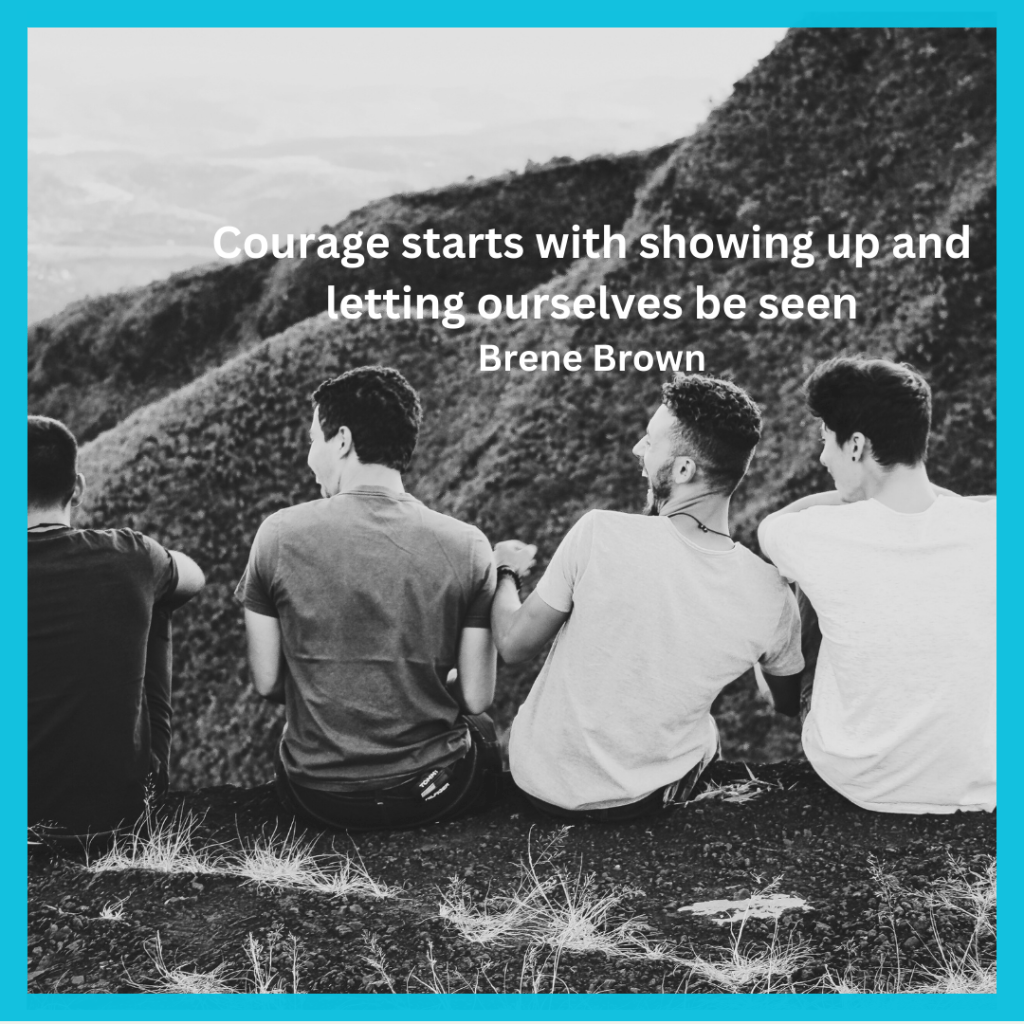
Brene Brown, leading author and researcher in this space, explains in her books that being vulnerable helps build strong relationships with others, allows people to see the authentic you, makes people happier and helps resolve conflict.
Where a can Vulnerability Help Practically
Time to be slightly vulnerable here. I am still learning this concept, however I do feel that vulnerability is a strong value of mine now.
I have seen first hand how vulnerability has helped me – firstly, in my own home. There are times when we get stressed at work or at home and we can easily disengage or become angry – which most of us can relate to. However, what I have learned is that when I feel something is wrong, or something is on my mind, I can open up to my wife and discuss it. This has often resulted in supportive conversation or sometimes much needed space to relax. I also have had (and still do to an extent) issue with my body shape, which has lead to anxiety – but being able to share that with wife makes it easier to calm myself down.
I’ve also found that opening up at work has helped as well. I have anxiety, particularly around losing my job (despite good performance review -and albeit mild) but being open about this has allowed me to have more productive discussions with my managers and colleagues. What is also interesting, is people have opened up to me in return. The connection of helping others and showing empathy is possibly more powerful than someone being empathetic to you!
I think a fantastic example of vulnerability that can show how strong connection with other becomes is Lewis Capaldi. He was recently diagnosed with Tourette’s and also anxiety. During his set at Glastonbury, he was clearly emotional and due to his openness and vulnerability, the crowd came together and gave us one of the best crowd-artist connections you’ve ever seen.
How to Be Vulnerable
Obviously, we can’t just open up to everyone – and there is no expectation to. Being vulnerable can be tough, however once you realise that it opens up to better relationships and conversations you will be more inclined to do it.
Vulnerability doesn’t have to be forced; it can simply start as a casual conversation. If you are wanting to know more, check out season 3 of the imperfects and listen to the Vulnerabilitea House episodes. You can also buy their cards here!
In the meantime, here are some small steps you can take to start a conversation!
- Journalling – you might not be ready to share with others, that is understandable and fine! However, writing may help you open up to yourself
- Acknowledge your feelings – if you understand your own vulnerabilties, you will be able to share them
- Start small – talk to those who will listen without judgement
- Practice empathy – when others open up to you, listen and be empathetic
- Seek professional help – if you are dealing with difficult emotions, opening up to friends may not be enough.
Takeaways
- Vulnerability builds connection
- Vulnerability reduces shame and builds empathy, making you feel supported
- Helps people understand what you are going through
I hope this helps!
Resources
 Normal Dad’s Guide to Wellness